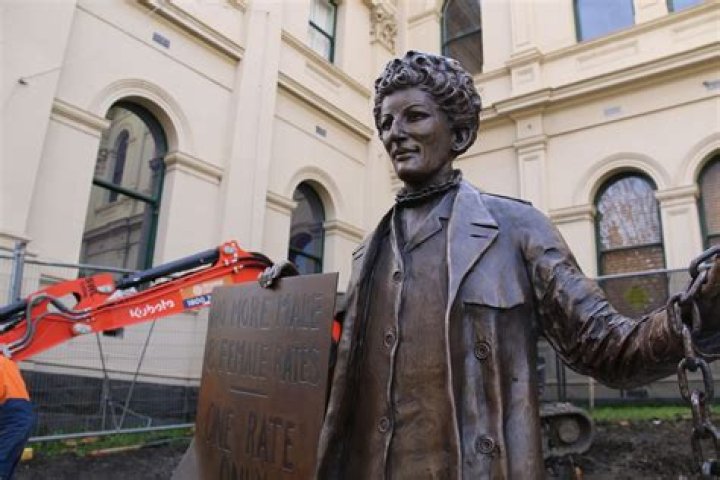
"Julia scandal" refers to the public controversy surrounding the personal life of politician Julia Gillard, who served as the 28th Prime Minister of Australia from 2010 to 2013.
The scandal erupted in 2012 when allegations surfaced that Gillard had been romantically involved with a union official, Bruce Wilson, while she was working as a lawyer. Gillard denied the allegations, but the scandal continued to dominate headlines for months, with many commentators speculating about its potential impact on her political career.
The "Julia scandal" had a significant impact on Australian politics. It led to increased scrutiny of Gillard's personal life and contributed to a decline in her popularity. The scandal also raised questions about the role of sexism and misogyny in Australian politics.
Julia Gillard scandal
The "Julia Gillard scandal" refers to the public controversy surrounding the personal life of politician Julia Gillard, who served as the 28th Prime Minister of Australia from 2010 to 2013. The scandal erupted in 2012 when allegations surfaced that Gillard had been romantically involved with a union official, Bruce Wilson, while she was working as a lawyer. Gillard denied the allegations, but the scandal continued to dominate headlines for months, with many commentators speculating about its potential impact on her political career.
- Political impact: The scandal led to increased scrutiny of Gillard's personal life and contributed to a decline in her popularity.
- Media coverage: The scandal was widely reported in the Australian media, with many commentators speculating about its potential impact on Gillard's political career.
- Sexism and misogyny: The scandal raised questions about the role of sexism and misogyny in Australian politics.
- Public opinion: The scandal had a significant impact on public opinion, with many Australians expressing disapproval of Gillard's alleged behavior.
- Leadership: The scandal raised questions about Gillard's ability to lead the country.
- Ethics: The scandal raised questions about the ethical standards of Australian politicians.
- Privacy: The scandal raised questions about the right to privacy of public figures.
- Reputation: The scandal damaged Gillard's reputation and made it difficult for her to continue as Prime Minister.
- Resignation: Gillard resigned as Prime Minister in 2013, following a leadership challenge from within her own party.
The "Julia Gillard scandal" was a significant event in Australian politics. It led to increased scrutiny of the personal lives of politicians and raised questions about the role of sexism and misogyny in Australian society.
Political impact
The "Julia Gillard scandal" had a significant political impact. The scandal led to increased scrutiny of Gillard's personal life, which contributed to a decline in her popularity.
- Media attention: The scandal was widely reported in the Australian media, with many commentators speculating about its potential impact on Gillard's political career. This media attention led to increased public scrutiny of Gillard's personal life.
- Public opinion: The scandal had a significant impact on public opinion, with many Australians expressing disapproval of Gillard's alleged behavior. This decline in public support made it difficult for Gillard to continue as Prime Minister.
- Leadership: The scandal raised questions about Gillard's ability to lead the country. Many commentators argued that the scandal had damaged Gillard's credibility and made it difficult for her to lead effectively.
- Resignation: Gillard resigned as Prime Minister in 2013, following a leadership challenge from within her own party. The scandal was a major factor in Gillard's decision to resign.
The "Julia Gillard scandal" is a reminder of the intense scrutiny that female politicians face. The scandal also highlights the importance of public trust in political leaders.
Media coverage
The media coverage of the "Julia Gillard scandal" was a significant factor in the scandal's impact on Gillard's political career. The intense media scrutiny led to increased public awareness of the scandal and contributed to a decline in Gillard's popularity.
The media's focus on the scandal also led to increased speculation about its potential impact on Gillard's political career. Many commentators argued that the scandal had damaged Gillard's credibility and made it difficult for her to lead effectively. This speculation contributed to a climate of uncertainty and instability within the Labor Party, which ultimately led to Gillard's resignation.
The "Julia Gillard scandal" is a reminder of the powerful role that the media can play in shaping public opinion and influencing political outcomes. The media's coverage of the scandal had a significant impact on Gillard's political career and contributed to her eventual resignation.
Sexism and misogyny
The "Julia Gillard scandal" raised important questions about the role of sexism and misogyny in Australian politics. The intense media scrutiny of Gillard's personal life and the public's negative reaction to the alleged affair highlighted the double standards that female politicians face.
- Unequal treatment: Female politicians are often subjected to more intense scrutiny and criticism than their male counterparts. This unequal treatment can make it difficult for women to succeed in politics.
- Sexual objectification: Female politicians are often sexualized and objectified by the media and the public. This can make it difficult for women to be taken seriously as political leaders.
- Double standards: Female politicians are often held to a higher standard of behavior than male politicians. This double standard can make it difficult for women to win and hold elected office.
- Violence and harassment: Female politicians are often subjected to violence and harassment. This can make it difficult for women to participate in politics and can have a chilling effect on women's political participation.
The "Julia Gillard scandal" is a reminder of the sexism and misogyny that female politicians face. This sexism and misogyny can make it difficult for women to succeed in politics and can have a negative impact on our democracy.
Public opinion
The "Julia Gillard scandal" had a significant impact on public opinion in Australia. Many Australians expressed disapproval of Gillard's alleged behavior, which contributed to a decline in her popularity and made it difficult for her to continue as Prime Minister.
- Media coverage: The intense media coverage of the scandal led to increased public awareness of Gillard's alleged behavior. This media attention contributed to a negative public perception of Gillard and made it difficult for her to regain the trust of the Australian people.
- Sexism and misogyny: The scandal also highlighted the sexism and misogyny that female politicians face in Australia. Many commentators argued that the public's negative reaction to Gillard's alleged behavior was motivated by sexism and misogyny. This sexism and misogyny made it difficult for Gillard to be taken seriously as a political leader.
- Political polarization: The scandal also contributed to the political polarization in Australia. The scandal divided the Australian public along political lines, with Labor voters being more likely to support Gillard and Liberal voters being more likely to oppose her.
- Leadership: The scandal raised questions about Gillard's ability to lead the country. Many commentators argued that the scandal had damaged Gillard's credibility and made it difficult for her to lead effectively. This lack of confidence in Gillard's leadership contributed to her eventual resignation.
The "Julia Gillard scandal" is a reminder of the importance of public opinion in a democracy. The scandal also highlights the challenges that female politicians face in Australia. Sexism and misogyny continue to be major barriers to women's participation in politics.
Leadership
The "Julia Gillard scandal" raised questions about her ability to lead Australia. The scandal damaged Gillard's credibility and made it difficult for her to lead effectively. This was due to several factors:
- Public opinion: The scandal had a significant impact on public opinion, with many Australians expressing disapproval of Gillard's alleged behavior. This decline in public support made it difficult for Gillard to continue as Prime Minister.
- Media scrutiny: The scandal was widely reported in the Australian media, with many commentators speculating about its potential impact on Gillard's political career. This media attention led to increased public scrutiny of Gillard's personal life and made it difficult for her to focus on her job as Prime Minister.
- Political opposition: The scandal also gave Gillard's political opponents an opportunity to attack her. The opposition used the scandal to question Gillard's judgment and her ability to lead the country.
The "Julia Gillard scandal" is a reminder of the challenges that female politicians face in Australia. Sexism and misogyny are still major barriers to women's participation in politics.
Ethics
The "Julia Gillard scandal" raised important questions about the ethical standards of Australian politicians. The scandal involved allegations that Gillard had been romantically involved with a union official while she was working as a lawyer. These allegations raised questions about Gillard's judgment and her ability to lead the country.
- Conflict of interest: The scandal raised questions about whether Gillard had a conflict of interest when she was dealing with the union official. Some commentators argued that Gillard's alleged relationship with the union official could have influenced her decisions as Prime Minister.
- Transparency: The scandal also raised questions about Gillard's transparency. Gillard initially denied the allegations of an affair, but she later admitted that she had been in a relationship with the union official. This lack of transparency damaged Gillard's credibility and made it difficult for her to lead effectively.
- Accountability: The scandal also raised questions about the accountability of Australian politicians. Gillard was never charged with any wrongdoing, but the scandal damaged her reputation and made it difficult for her to continue as Prime Minister. This highlights the importance of accountability for politicians and the need for them to be held to a high ethical standard.
The "Julia Gillard scandal" is a reminder of the importance of ethics in politics. Politicians must be held to a high ethical standard and must be accountable for their actions. The scandal also highlights the importance of transparency and the need for politicians to be honest with the public.
Privacy
The "Julia Gillard scandal" raised important questions about the right to privacy of public figures. The intense media scrutiny of Gillard's personal life and the public's negative reaction to the alleged affair highlighted the challenges that public figures face in protecting their privacy.
In a democratic society, public figures must be held accountable for their actions. However, this accountability should not come at the expense of their right to privacy. Public figures have a right to a private life, just like everyone else. The media and the public must respect this right and avoid invading the privacy of public figures.
The "Julia Gillard scandal" is a reminder of the importance of protecting the privacy of public figures. The media and the public must be mindful of the impact that their actions can have on the lives of public figures and their families.
Reputation
The "Julia Gillard scandal" damaged Gillard's reputation and made it difficult for her to continue as Prime Minister. The scandal raised questions about Gillard's judgment and her ability to lead the country. This led to a decline in public support for Gillard and made it difficult for her to pass legislation and govern effectively.
The scandal also damaged Gillard's reputation internationally. Gillard was seen as a rising star in the Labor Party and was considered a potential future Prime Minister. However, the scandal damaged her reputation and made it unlikely that she would ever be able to lead the country again.
The "Julia Gillard scandal" is a reminder of the importance of reputation in politics. Politicians must be held accountable for their actions, but they also have a right to privacy. The media and the public must be mindful of the impact that their actions can have on the lives of politicians and their families.
Resignation
The "Julia Gillard scandal" had a significant impact on Gillard's political career. The scandal damaged Gillard's reputation and made it difficult for her to lead effectively. This led to a decline in public support for Gillard and made it difficult for her to pass legislation and govern effectively.
In June 2013, Gillard faced a leadership challenge from within her own party. Gillard lost the leadership challenge and resigned as Prime Minister.
The "Julia Gillard scandal" is a reminder of the challenges that female politicians face in Australia. Sexism and misogyny are still major barriers to women's participation in politics.
FAQs on "Julia Gillard scandal"
The "Julia Gillard scandal" refers to the public controversy surrounding the personal life of politician Julia Gillard, who served as the 28th Prime Minister of Australia from 2010 to 2013. The scandal erupted in 2012 when allegations surfaced that Gillard had been romantically involved with a union official, Bruce Wilson, while she was working as a lawyer. Gillard denied the allegations, but the scandal continued to dominate headlines for months, with many commentators speculating about its potential impact on her political career.
Question 1: What was the "Julia Gillard scandal"?
The "Julia Gillard scandal" refers to the public controversy surrounding the personal life of politician Julia Gillard, who served as the 28th Prime Minister of Australia from 2010 to 2013. The scandal erupted in 2012 when allegations surfaced that Gillard had been romantically involved with a union official, Bruce Wilson, while she was working as a lawyer. Gillard denied the allegations, but the scandal continued to dominate headlines for months, with many commentators speculating about its potential impact on her political career.
Question 2: What impact did the scandal have on Gillard's political career?
The scandal had a significant impact on Gillard's political career. The scandal damaged Gillard's reputation and made it difficult for her to lead effectively. This led to a decline in public support for Gillard and made it difficult for her to pass legislation and govern effectively. In June 2013, Gillard faced a leadership challenge from within her own party and lost. Gillard resigned as Prime Minister following the leadership challenge.
Question 3: What were the allegations against Gillard?
The allegations against Gillard were that she had been romantically involved with a union official, Bruce Wilson, while she was working as a lawyer. Gillard denied the allegations.
Question 4: Did Gillard ever admit to the affair?
No, Gillard never admitted to having an affair with Wilson.
Question 5: What was the media's role in the scandal?
The media played a significant role in the scandal. The media's intense coverage of the scandal led to increased public awareness of the allegations and contributed to a decline in Gillard's popularity.
Question 6: What are the key takeaways from the "Julia Gillard scandal"?
The "Julia Gillard scandal" is a reminder of the challenges that female politicians face in Australia. Sexism and misogyny are still major barriers to women's participation in politics.
The scandal also highlights the importance of media responsibility. The media has a responsibility to report on the news accurately and fairly. The media should not engage in sensationalism or speculation that could damage the reputation of individuals.
Finally, the scandal is a reminder of the importance of public trust in politicians. Politicians must be held accountable for their actions, but they also have a right to privacy. The public must respect the privacy of politicians and their families.
Tips
The "Julia Gillard scandal" highlights several important issues that are relevant to the public and to politicians.
Tip 1: Be mindful of media coverage.
The media plays a powerful role in shaping public opinion. Politicians should be aware of the potential impact of media coverage and should be prepared to respond to negative media attention in a professional and respectful manner.
Tip 2: Be transparent and honest with the public.
Politicians should be transparent and honest with the public about their personal lives and their political activities. This will help to build trust between politicians and the public.
Tip 3: Be respectful of the privacy of others.
Politicians should be respectful of the privacy of others, including their family members, friends, and colleagues. This means avoiding making public statements about the personal lives of others without their consent.
Tip 4: Be accountable for your actions.
Politicians should be accountable for their actions. This means being willing to take responsibility for mistakes and to apologize when necessary.
Tip 5: Be a role model for others.
Politicians should be role models for others, both in their public and private lives. This means behaving in a way that is ethical and responsible.
Summary: By following these tips, politicians can help to build trust with the public and to maintain their reputations.
Conclusion: The "Julia Gillard scandal" is a reminder of the importance of ethics, transparency, and accountability in politics.
Conclusion
The "Julia Gillard scandal" was a significant event in Australian politics. The scandal damaged Gillard's reputation and made it difficult for her to continue as Prime Minister. The scandal also raised important questions about the role of sexism and misogyny in Australian politics.
The "Julia Gillard scandal" is a reminder of the challenges that female politicians face in Australia. Sexism and misogyny are still major barriers to women's participation in politics. The scandal also highlights the importance of media responsibility and the need for politicians to be held accountable for their actions.
Loretta Swit: Plastic Surgery Truths Revealed
Unveiling The Culinary Mastery Of Geoffrey Zakarian: Age-Inspired Delicacies And Timeless Techniques
Unveiling The Enigma: Exploring The Hidden Depths Of Prison Break Guard Bellick
