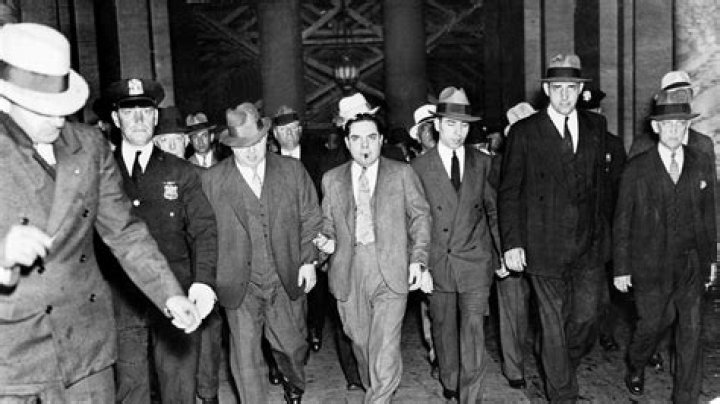
Construction Mafias: A Deep Dive into Their Operations
Construction mafias are highly organized criminal enterprises that exert illicit control over various aspects of the construction industry. These groups engage in a range of corrupt practices, including bid rigging, extortion, and violence, to amass wealth and power. By manipulating public contracts and intimidating competitors, they undermine fair competition and inflate project costs, ultimately harming consumers and taxpayers.
Understanding the inner workings of construction mafias is crucial for combating their detrimental impact. By exposing their methods and tactics, we can develop effective strategies to disrupt their operations and protect the integrity of the construction industry. This article aims to provide a comprehensive examination of construction mafias, exploring their modus operandi, the consequences of their actions, and the measures that can be taken to dismantle their networks.
Construction Mafias
Construction mafias, characterized by their illicit control over the industry, operate through various nefarious (means).
- (Infiltration): Establish influence within legitimate businesses and government agencies.
- (Intimidation): Use threats and violence to silence opposition and maintain control.
- (Bribery): Offer bribes to secure contracts and favorable treatment.
- (Manipulation): Rig bids, inflate costs, and influence decision-making processes.
- (Money Laundering): Conceal illicit profits through complex financial transactions.
- (Violence): Resort to violence to eliminate competition and enforce their dominance.
- (Collusion): Collaborate with corrupt officials and contractors to perpetuate their schemes.
These aspects are interconnected, forming a web of corruption and control that undermines the integrity of the construction industry. By understanding the modus operandi of construction mafias, we can develop effective strategies to combat their harmful activities and restore fairness and transparency to the sector.
(Infiltration)
Infiltration is a cornerstone of construction mafias' operations, enabling them to penetrate legitimate businesses and government agencies, thereby extending their control and influence. By establishing a presence within these entities, mafias can manipulate decision-making processes, secure favorable contracts, and launder illicit profits.
For instance, a construction mafia may infiltrate a construction company by placing its members in key positions, such as project managers or procurement officers. This allows them to steer contracts toward their preferred contractors, inflate costs, and divert funds for their own gain. Similarly, infiltrating government agencies, such as planning departments or building inspectorates, enables them to influence zoning decisions, expedite permits, and overlook regulatory violations.
The infiltration of legitimate businesses and government agencies by construction mafias undermines fair competition, increases project costs, and compromises public trust. It is essential to recognize the significance of infiltration as a key component of construction mafias' operations and to develop effective strategies to prevent and combat this practice.
(Intimidation)
In the context of construction mafias, intimidation is a pervasive tactic employed to maintain control and silence dissent. Mafias use threats and violence to suppress opposition, eliminate competition, and instill fear among those who might challenge their authority.
- Silencing Whistleblowers: Mafias target individuals who speak out against their corrupt practices, using threats and violence to silence them and prevent the exposure of their activities.
- Eliminating Competition: To maintain their dominance in the industry, mafias resort to intimidation to drive out competitors, preventing them from bidding on projects or operating freely.
- Enforcing Discipline: Within their own ranks, mafias use intimidation to enforce loyalty and obedience, suppressing any internal dissent or challenges to their authority.
- Controlling the Narrative: By instilling fear and suppressing opposing voices, mafias can control the narrative surrounding their activities, preventing negative publicity and maintaining a facade of legitimacy.
The use of intimidation by construction mafias has severe consequences, fostering a climate of fear and corruption that undermines the integrity of the construction industry. It stifles competition, inflates project costs, and erodes public trust. Combating intimidation tactics is crucial for restoring fairness and transparency to the industry and protecting individuals from harm.
(Bribery)
Bribery is a central component of construction mafias' operations, enabling them to secure contracts and favorable treatment through illicit payments to corrupt officials and individuals. This practice undermines fair competition, inflates project costs, and compromises the integrity of the construction industry.
Construction mafias employ various methods to offer bribes, including:
- Direct payments to government officials or decision-makers in exchange for awarding contracts or favorable treatment.
- Indirect payments through intermediaries or shell companies to conceal the source of the bribe and the recipient's identity.
- Non-monetary bribes, such as gifts, lavish entertainment, or campaign contributions, to influence decision-making.
The consequences of bribery in the construction industry are far-reaching. It creates an uneven playing field, where legitimate businesses are disadvantaged compared to those willing to engage in corrupt practices. Bribery also leads to inflated project costs, as contractors factor in the cost of bribes into their bids. Ultimately, the public suffers from lower quality infrastructure and higher costs due to the prevalence of bribery.
Combating bribery in the construction industry requires a multi-pronged approach, including strict enforcement of anti-corruption laws, increased transparency in procurement processes, and fostering a culture of integrity within the industry. By addressing the issue of bribery, we can help restore fairness and transparency to the construction industry and ensure that contracts are awarded based on merit rather than illicit payments.
(Manipulation)
Manipulation is a cornerstone of construction mafias' operations, enabling them to exert illicit control over the construction industry and amass wealth and power. Through a range of deceptive and corrupt practices, mafias manipulate bids, inflate costs, and influence decision-making processes to secure lucrative contracts and maximize their profits.
- Bid Rigging: Mafias collude with contractors to fix bids, ensuring that their preferred contractors win contracts regardless of their qualifications or pricing. This practice stifles competition and leads to inflated project costs.
- Cost Inflation: Mafias inflate project costs by adding unnecessary or overpriced items to bids, or by using subcontractors who charge excessive rates. This practice increases the cost of construction projects for owners and taxpayers.
- Influence Peddling: Mafias use their connections and influence to sway decision-making processes in their favor. This may involve bribing officials, exerting pressure on contractors, or manipulating the bidding process to ensure that their preferred outcomes are achieved.
The manipulation tactics employed by construction mafias have severe consequences for the construction industry and the public. Bid rigging stifles competition and innovation, leading to higher project costs and lower quality infrastructure. Cost inflation increases the financial burden on owners and taxpayers, while influence peddling undermines the integrity of the decision-making process and erodes public trust.
Combating manipulation in the construction industry requires a multi-faceted approach, including strict enforcement of anti-corruption laws, increased transparency in procurement processes, and fostering a culture of integrity within the industry. By addressing the issue of manipulation, we can help restore fairness and transparency to the construction industry and ensure that projects are awarded based on merit and value for money.
(Money Laundering)
Money laundering is an essential component of construction mafias' operations, enabling them to conceal their illicit profits and legitimize their wealth. By employing sophisticated financial techniques, mafias can hide the origins of their ill-gotten gains and integrate them into the legitimate financial system.
- Placement: Mafias first place their illicit funds into the financial system through various methods, such as depositing cash into bank accounts or purchasing high-value assets.
- Layering: Once the funds are placed, mafias engage in complex financial transactions to obscure the trail of money. This may involve transferring funds through multiple bank accounts, using shell companies, or investing in legitimate businesses.
- Integration: In the final stage, mafias integrate the laundered funds into the legitimate economy, making them appear to have originated from legitimate sources. This may involve investing in real estate, purchasing luxury goods, or establishing businesses.
Money laundering enables construction mafias to conceal their criminal activities, avoid detection by law enforcement, and enjoy the proceeds of their crimes. It also contributes to the broader problem of financial crime and undermines the integrity of the financial system. Combating money laundering requires international cooperation, effective anti-money laundering regulations, and a commitment to dismantling the financial networks of criminal organizations.
(Violence)
Violence is a pervasive and brutal tactic employed by construction mafias to maintain their control over the industry. Through threats, intimidation, and physical violence, mafias eliminate competition, silence dissent, and enforce their dominance, creating a climate of fear and impunity.
The use of violence by construction mafias has severe consequences, extending beyond the immediate victims to the wider community and the construction industry as a whole. It stifles competition, preventing legitimate businesses from entering the market and driving up project costs. It also undermines the rule of law and erodes public trust in the construction industry.
Combating violence in the construction industry requires a comprehensive approach involving law enforcement, industry stakeholders, and the community. This includes strengthening anti-mafia legislation, increasing surveillance and intelligence gathering, and providing protection for witnesses and victims. It also requires fostering a culture of integrity within the industry, where ethical behavior is rewarded and corrupt practices are condemned.
By addressing the issue of violence, we can help restore fairness and transparency to the construction industry and create a safer environment for businesses and communities alike.
(Collusion)
Collusion is a central component of construction mafias' operations, enabling them to perpetuate their schemes and maintain their illicit control over the industry. Through collaboration with corrupt officials and contractors, mafias create a network of complicity that allows them to manipulate bids, inflate costs, and secure lucrative contracts.
Collusion manifests in various forms, including:
- Bid rigging: Mafias collude with contractors to fix bids, ensuring that their preferred contractors win contracts regardless of their qualifications or pricing.
- Cost inflation: Mafias collude with contractors to inflate project costs by adding unnecessary or overpriced items to bids, or by using subcontractors who charge excessive rates.
- Political patronage: Mafias collude with corrupt officials to secure favorable treatment, such as zoning approvals, building permits, and infrastructure contracts.
The consequences of collusion in the construction industry are far-reaching. It stifles competition, leading to higher project costs and lower quality infrastructure. It undermines the integrity of the bidding process and erodes public trust in the construction industry.
Combating collusion requires a multi-pronged approach, including strict enforcement of anti-corruption laws, increased transparency in procurement processes, and fostering a culture of integrity within the industry. By addressing the issue of collusion, we can help restore fairness and transparency to the construction industry and ensure that projects are awarded based on merit and value for money.
Construction Mafias
This section aims to address common concerns and misconceptions surrounding construction mafias, providing concise and informative answers to frequently asked questions.
Question 1: What are construction mafias?
Answer: Construction mafias are highly organized criminal enterprises that exert illicit control over various aspects of the construction industry, engaging in corrupt practices to amass wealth and power.
Question 2: How do construction mafias operate?
Answer: Construction mafias employ a range of illicit tactics, including infiltration, intimidation, bribery, manipulation, money laundering, violence, and collusion, to maintain their control and perpetuate their schemes.
Question 3: What are the consequences of construction mafia activities?
Answer: Construction mafia activities have severe consequences, including inflated project costs, reduced competition, compromised public safety, and erosion of public trust in the construction industry.
Question 4: How can we combat construction mafias?
Answer: Combating construction mafias requires a multi-pronged approach involving law enforcement, industry stakeholders, and the community, including strengthening anti-mafia legislation, increasing transparency, fostering a culture of integrity, and providing protection for witnesses and victims.
Question 5: What is the role of whistleblowers in exposing construction mafias?
Answer: Whistleblowers play a crucial role in exposing construction mafia activities by providing information on corrupt practices and illegal operations. However, they often face risks of retaliation and intimidation, necessitating strong legal protections.
Question 6: How can public procurement processes be strengthened to prevent construction mafia infiltration?
Answer: Strengthening public procurement processes involves implementing transparent bidding procedures, conducting thorough background checks on contractors, and establishing independent oversight mechanisms to monitor and prevent corrupt practices.
In conclusion, understanding the nature and modus operandi of construction mafias is essential for developing effective strategies to combat their harmful activities. By raising awareness, fostering collaboration, and implementing robust measures, we can work towards a construction industry free from corruption and criminal influence.
Tips to Combat Construction Mafias
Combating construction mafias requires a multi-faceted approach involving various stakeholders. Here are five crucial tips to address this issue effectively:
Tip 1: Strengthen Legislation and Law Enforcement
Enact and enforce stringent anti-mafia laws, including measures to tackle money laundering, corruption, and violence. Establish specialized law enforcement units dedicated to investigating and prosecuting construction mafia activities.
Tip 2: Promote Transparency and Accountability
Implement transparent procurement processes with clear bidding procedures and independent oversight. Encourage the use of technology to enhance transparency and reduce opportunities for corrupt practices.
Tip 3: Foster a Culture of Integrity
Promote ethical behavior and integrity within the construction industry. Establish codes of conduct and provide training to raise awareness about the dangers of corruption. Encourage whistleblowing and protect those who report illicit activities.
Tip 4: Enhance Collaboration and Information Sharing
Facilitate information sharing between law enforcement agencies, industry stakeholders, and the public. Establish platforms for anonymous reporting and encourage collaboration to identify and dismantle construction mafia networks.
Tip 5: Support Victims and Witnesses
Provide protection and support to victims and witnesses of construction mafia activities. Implement witness protection programs and ensure the safety of those who come forward with information.
By implementing these tips, we can work towards creating a construction industry free from the harmful influence of mafias, fostering fair competition, protecting public funds, and ensuring the safety and integrity of infrastructure projects.
Conclusion
Construction mafias pose a grave threat to the integrity and stability of the construction industry. Through illicit tactics such as infiltration, intimidation, bribery, manipulation, money laundering, violence, and collusion, these criminal enterprises exert control over various aspects of the industry, leading to inflated project costs, reduced competition, and compromised public safety. Understanding their modus operandi is crucial for developing effective strategies to combat their harmful activities.
Addressing the issue of construction mafias requires a multi-pronged approach involving law enforcement agencies, industry stakeholders, and the community. Strengthening legislation, promoting transparency, fostering a culture of integrity, enhancing collaboration, and supporting victims and witnesses are vital steps towards creating a construction industry free from corruption and criminal influence. By working together, we can ensure fair competition, protect public funds, and guarantee the safety and integrity of infrastructure projects.
Unveiling The Legacy And Impact Of Jerry Orr In Motocross
Uncover The Secrets: Chris De Sean's Life, Career, And Untold Stories
Uncovering Adin Hill's World: Family, Love, And Financial Success
Construction Mafias Explained How They Operate, How Dangerous They Are
DA Militarytype security needed to deal with construction mafias
‘Construction mafias’ are holding a key South African economic sector
